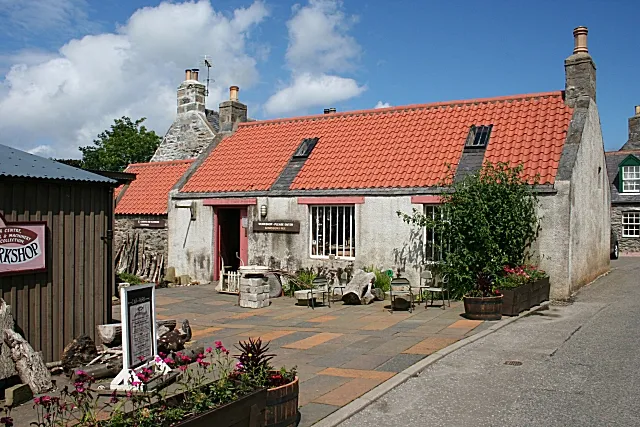
Ten Words That Sound Like Home: A Penarth Language Trail for 2026
Photo: family exploring coastal map Penarth Wales, via i.pinimg.com
Penarth is not just a postcode and a pier. It is a place with a sound: the names on station platforms, the words grandparents use for the beach, the old maps that call a hill by a name nobody under forty says out loud any more. Local language is one of the cheapest, richest learning resources we have. It is already outside the front door. In 2026, it deserves a proper place at the kitchen table, in community groups and in classrooms.
Why Local Words Make Good Teachers
A place name is a tiny puzzle. It asks you to look at the shape of the land, to imagine who named it and why, and to notice what has changed since. That is geography, history, storytelling and a bit of detective work all at once. You do not need to be fluent in Welsh or a trained archaeologist to use it. You just need a map, a curious child and twenty minutes.
The ten words below are not a definitive list. Think of them as a starter trail around Penarth and its neighbours. Try one a week, or take them on a weekend walk and see which ones stick.
Ten to Try at the Kitchen Table
1. Penarth
Start with the name you say every day. Do not rush to translate it. Instead, ask what the shape of the headland tells you. Map task: draw the coastline from Penarth Head towards the pier and mark three high points and three low points. Story prompt: if Penarth had a town motto, what would it be and why? History clue: compare an old postcard of the Esplanade with a modern map and list what has stayed the same.
2. The Knap
A word that sounds like a shrug and a hill at the same time. Map task: find The Knap on an Ordnance Survey map and look at the contour lines. Can you see why a raised edge beside the sea might get its own name? Story prompt: write a short diary entry from someone walking there on a windy November afternoon. History clue: look for old photographs of the seafront and ask what the tide has rearranged.
3. Cosmeston
A place name that now means lakes, paths and family walks, but it has older layers underneath. Map task: trace the route from Penarth to Cosmeston Country Park and mark the water. Story prompt: invent a day in the life of a medieval village, using only five objects you can carry. History clue: compare old maps and modern ones. When did the lake appear, and what was there before?
4. Lavernock
A coastal point with a name that feels like weather. Map task: find Lavernock Point on a map and draw the shortest sensible walking route from Penarth. Story prompt: write a weather report from the point, using three sound words and one smell. History clue: look for old coastal paths and ask which routes were used for work rather than leisure.
5. Sully
A neighbouring village that is easy to treat as a blur on the bus route. Map task: plan a journey from Penarth to Sully using a bus map and a walking map. Which version is easier to follow? Story prompt: write a letter between two children in Penarth and Sully who have never met. History clue: look for parish records or old directories and see how the village is described.
6. Cogan
A station name that doubles as a local landmark. Map task: follow the railway line from Penarth to Cogan and mark every station. Story prompt: write a train journey where the passenger notices one new thing at every stop. History clue: find an old timetable and compare journey times. What does that tell you about how people travelled?
7. Llandough
The Welsh word llan often points towards a church enclosure, which makes it a useful map clue. Map task: find Llandough on a map and look for the church. Why might a settlement grow there? Story prompt: imagine the sound of a bell across the fields and write what happens next. History clue: look at churchyard inscriptions or local history society records for ordinary names and dates.
8. Dinas
You will hear it in Dinas Powys, and it carries a sense of a fortified place. Map task: find the hillfort site on a map and work out why a hill might be chosen for defence. Story prompt: write a list of instructions for defending a hill with no modern technology. History clue: look for museum or archaeology notes about local finds. What objects survived, and what does that tell you?
9. Ewenny
A river name and a priory name, which makes it a lovely word for following water. Map task: trace the river on a map and mark where it crosses roads or paths. Story prompt: write a day in the life of a potter working near the river. History clue: find an old bridge or crossing point and ask why people built there.
10. Cwm
A short Welsh word for a valley, and a reminder that our landscape words are often older than our street signs. Map task: find a local cwm or wooded valley and draw its sides as if you were making a cross-section. Story prompt: follow a stream from source to sea in five sentences. History clue: look at woodland names on old maps and see which ones have disappeared from modern signs.
Put the Words to Work
None of this needs a worksheet. A family walk can become a language lesson if you stop at a sign and ask why it says what it says. A community group can invite a local historian to unpack three place names in an hour. A classroom can use the same ten words to practise map skills, descriptive writing and local history without buying a single new resource.
The point is not to turn Penarth into a quiz. It is to help people notice that the place they live in is full of clues. Words are some of the best ones. They tell us what people saw, what they valued and what they needed to name. In 2026, let us teach a few of them properly, then let the children teach us the ones we have forgotten.