The Radish Curriculum: Five Penarth Gardeners Who Teach Maths Without Trying
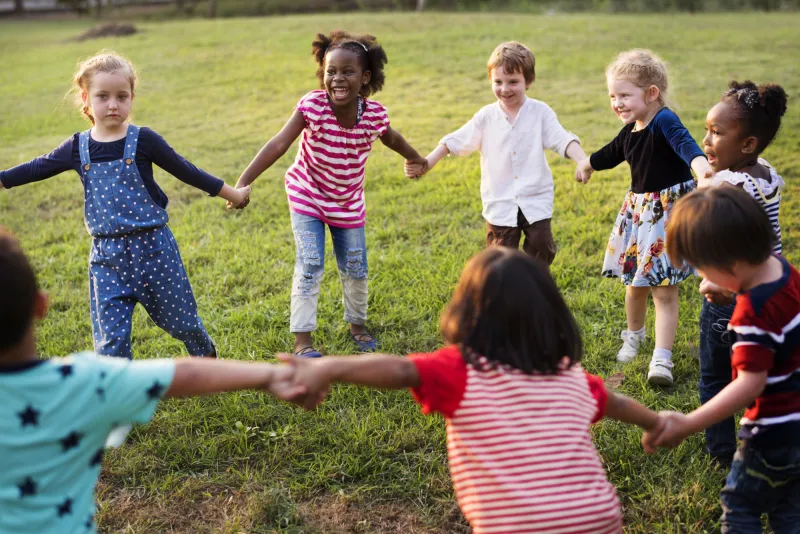
Photo: children gardening allotment UK learning, via image.freepik.com
The best maths lesson in Penarth has no whiteboard
Some of the most useful numeracy teaching in town happens with muddy hands and a trowel. Penarth's allotments, community gardens and back yards are full of adults who would never call themselves maths teachers, yet they spend their weekends counting, measuring, estimating and explaining. Children absorb it without noticing. There are no worksheets, no clock-watching and no gold stars. Just seeds, weather and the quiet logic of growing things.
Here are five plot-holders and gardeners who teach maths without trying. Names have been changed, but the settings are real enough: raised beds, shared plots and the sort of sunny afternoons that make you forget you were ever indoors.
1. Margaret and the seed-tray fractions
Margaret has a plot at the Alexandra Park allotments and a relaxed approach to tidiness. She gives children a packet of seeds and asks them to work out how many will fit in a tray. That is area and division without the jargon. Then she asks them to halve the row, quarter the packet and leave a gap for the ones that do not germinate. Suddenly fractions are not abstract. They are the difference between a full row of radishes and a patchy one.
She also keeps a simple germination chart. Children count how many seeds come up and compare it with how many went in. That is a percentage before anyone has used the word. Margaret's rule is that the sum has to lead to something you can eat, which is a much better motivator than a textbook.
2. Tom's bean-row geometry
Tom looks after the raised beds at Belle Vue Park and has a weakness for bamboo canes. He sets children the job of building a bean row that will not fall over. They measure spacing, work out right angles, and discover that a triangle is stronger than a square. The wind does the marking. If the frame wobbles, the lesson is not over. It is just more interesting.
He also uses the beds to teach scale. A plan on paper is one thing; a row of beans is another. Children pace out the plot, count their steps and compare the result with a drawing. By the end they have used ratio, estimation and a bit of diplomacy about whose turn it is with the watering can.
3. Priya's rain-gauge statistics
Priya gardens on a shared plot near the town centre and keeps a rain gauge next to the compost bin. Every visit, children read the level and add it to a chart. Over a month they have a small data set: wet days, dry days, averages, highs and lows. It is statistics with a practical purpose, because the numbers decide whether the tomatoes get watered or left alone.
She also gets children to predict. Will this week be wetter than last? Why? What would make the average go up? The point is not to be right. The point is to make a guess, write it down and check later. That is the habit of a scientist, and it costs nothing but a plastic tub and a bit of patience.
4. Gareth's crop-rotation logic
Gareth is a retired maths teacher who now spends more time thinking about potatoes than polynomials. He uses crop rotation to talk about sequences and planning. If the beans follow the brassicas and the roots follow the beans, what goes where next year? Children draw the plan, spot the pattern and explain it back to him. It is a puzzle with a harvest at the end.
He is also a fan of the seed catalogue as a teaching tool. Children compare prices, work out how many packets are needed for a bed, and decide whether a bulk pack is better value. That is money maths, multiplication and a gentle introduction to the idea that not every bargain is a bargain.
5. Elin's seed-swap budgets
Elin helps run a monthly seed swap at a local hall and puts children in charge of the table. They count packets, sort them into categories and work out a fair exchange rate. Three packets of lettuce for one of courgette? Two for one if the seeds are older? The arithmetic is real because someone has to agree to the deal.
She also encourages a simple tally of what goes and what comes back. At the end of the morning, children add up the totals and compare them with last month. It is bar charts, addition and a little bit of negotiation. More importantly, it is the experience of being trusted with a job that matters.
Why it works
None of these gardeners set out to run a maths club. They set out to grow things and to keep children occupied while the watering got done. The learning happens because the tasks are real: measuring, counting, predicting, comparing and explaining. It is free, local and intergenerational. A grandparent, a neighbour or a parent can do it. You do not need a teaching qualification, just a bit of patience and the willingness to let a child make a mistake with a seed tray.
If you want to try it, start small. Give a child a ruler and a packet of seeds. Ask them to work out how many will fit. Let them build something that might fall over. Keep a rain chart on the shed wall. The radish curriculum is already out there, in the allotments and gardens of Penarth. It just needs someone to hand over the trowel.