The Thirty-Minute Window: Why Penarth's Cafés Could Become Classrooms

Photo: derivative work by anerka, CC BY-SA 4.0, via Wikimedia Commons
Here is a small, slightly stubborn opinion: Penarth does not have a learning problem. It has a time problem. We have curious people, knowledgeable neighbours, good venues and a genuine appetite for learning. What many of us lack is a free evening, a reliable babysitter and the energy to commit to a ten-week course after a full day at work.
That is why the idea of the thirty-minute micro-course appeals to me. Not as a replacement for proper adult education. Not as a gimmick. As a doorway. A short, drop-in session in a café or community space, at a time when people are already out and about, could be the difference between saying I would love to learn that and actually learning it.
The problem with the evening course
Evening classes are brilliant, and Penarth is lucky to have providers who run them. But they ask for a lot. You need childcare, a clear diary, travel and enough mental energy to concentrate after dinner. Parents of young children often find the school-run and bedtime routine leaves no room. Local workers may be commuting, finishing late or simply too tired to start a two-hour session at seven o'clock.
The result is a gap between interest and action. People sign up, then drop out. Or they never sign up in the first place because the commitment looks too big. Meanwhile, there is a wealth of local expertise sitting in kitchens, offices, libraries and community halls, waiting for a format that fits real life.
What a micro-course could look like
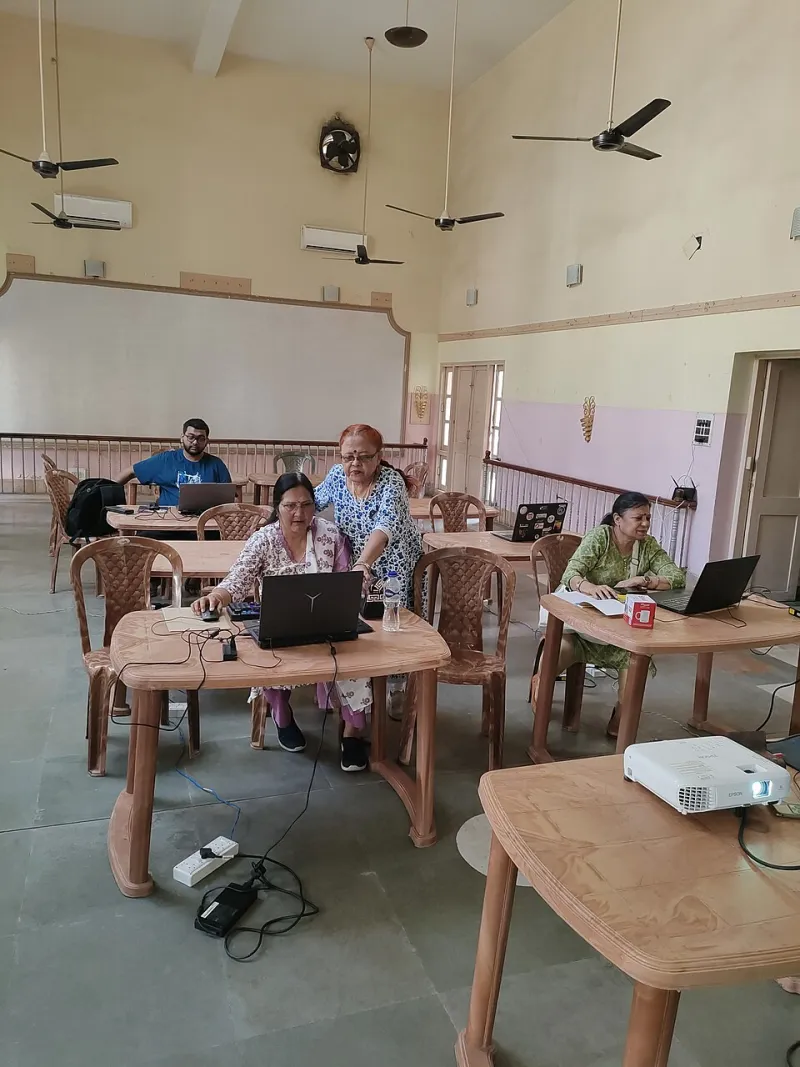
Imagine a thirty-minute session at 12:30 on a Tuesday in a café on Stanwell Road. Ten people turn up with a coffee. A local historian shows three old photographs of Penarth and asks everyone to spot what has changed. There is no homework. No certificate. No pressure. People ask questions, share memories and leave with one new fact and one new contact.
Or imagine a 9:15 session after the school drop-off in a church hall. Parents bring a reusable cup, sit in a circle and learn five practical ways to talk to children about money. It finishes before eleven. Everyone gets on with their day.
The format matters. Keep it to thirty minutes. Keep it drop-in. Keep it cheap, free or pay-what-you-can. Cap the group at twelve or fifteen so it stays conversational. Make sure the venue is accessible, warm and easy to find. And give every session a clear takeaway: one idea, one skill, one local story, one question to mull over.
Five starter ideas worth testing
1. Penarth in Ten Buildings
A local history taster using photographs, maps and memories. Thirty minutes to look at the pier, the old town, the churches and the streets that grew around them. It could be led by a local historian, a librarian or a long-standing resident with a good photo album.
2. Phone Photography for Family Days Out
A practical session on light, framing and taking better pictures of everyday life. No fancy camera needed. People could try three shots in the room, share one and learn one editing tip. It would suit parents, teenagers and anyone who wants to document local walks.
3. Reading the Tide
A short coast safety and nature session with a local expert. Not a full first-aid course, but a practical introduction to tide tables, weather signs and respectful wildlife watching. It would be especially useful for families who walk the Esplanade and cliff path.
4. Digital Confidence, One App at a Time
Thirty minutes on one useful digital task: using the NHS App, borrowing an e-book from the library, spotting a scam text or keeping photos backed up. Short, specific and hands-on. No jargon, no assumption that everyone is already confident.
5. A Money MOT
A gentle, non-judgemental session on household budgeting, energy bills and small savings. It could be run with a local advice service or credit union. The aim is not financial advice but confidence and signposting, with one practical step people can take that week.
Where it could happen
Penarth is rich in potential hosts. The library, the Pier Pavilion, church halls, community centres and independent cafés all have something to offer. Cafés bring footfall, warmth and a familiar setting. Community spaces bring purpose and accessibility. A quiet corner, a few tables and a willing host are enough to start.
There are practical questions, of course. Who pays the facilitator? How do we protect the café's lunchtime trade? What about safeguarding and accessibility? These are solvable. A small pilot could test a simple model: host provides the space, Penarth Learning Community helps coordinate, facilitators are paid a modest fee where possible, and learners contribute what they can.
Let's pilot it before the year is out
We are already in November 2026. That is not a reason to wait. The last weeks of the year are a good time for a small, low-risk pilot: six sessions across two venues, promoted through local networks and word of mouth. Test a lunchtime slot, a school-run slot and a Saturday morning. Ask people what they came for, what they learned and what they would come back to.
If it works, 2027 could see a regular learning lunch programme in Penarth. If it does not, we will have learned something useful anyway. That is the point of a pilot.
A small idea with a big return
Learning does not always need a big room and a long commitment. Sometimes it needs half an hour, a comfortable chair and someone nearby who knows something worth sharing. Penarth already has the people and the places. What it needs now is a few willing partners to try the thirty-minute window.
If you run a café, a hall or a community space, or if you have a skill you could teach in half an hour, get in touch. Let us make learning fit into real life, not the other way around.